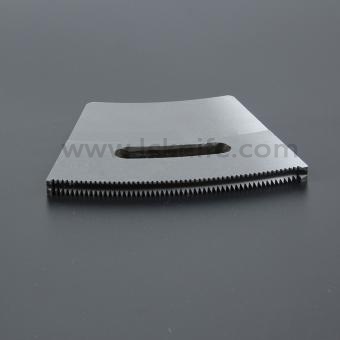
Die Materialwahl bestimmt die
Ausgleichswurf
Sie zeichnen sich durch ihre natürliche Zähigkeit und Verformungsbeständigkeit aus. Gängige Werkstoffe sind hochlegierte Werkzeugstähle wie GCr15, 9Cr2Mo oder spezielle stoßfeste Legierungen.
Hochkohlenstoffhaltiger Chromstahl: Bietet ausgezeichnete Verschleißfestigkeit.
Legierter Werkzeugstahl: Sorgt für die notwendige Kernfestigkeit, um ein Brechen oder Verbiegen der Walzen unter den hohen Belastungen zu verhindern, die zum Glätten von hochfesten Stahlplatten erforderlich sind.
Wärmebehandlung: Das Geheimnis der Oberflächenintegrität
Während das Material das „Gerüst“ bildet, sorgt die Wärmebehandlung für die „Schutzschicht“. Ziel ist es, eine hohe Oberflächenhärte zu erreichen und gleichzeitig einen flexiblen, duktilen Kern zu erhalten.
Induktionshärtung: Dies ist der Industriestandard. Dabei entsteht eine gehärtete Schicht (typischerweise mit einer Härte von HRC 58-63), die vor Abrieb schützt.
Tiefenhärtung: Die Tiefe dieser Schicht ist entscheidend. Ist sie zu gering, verschleißt die Walze schnell oder schält sich unter Druck ab; ist sie zu groß, wird die Walze spröde und neigt zu Rissen.
Anlassen: Durch diesen Prozess werden innere Spannungen abgebaut, die durch das Härten entstehen, und es wird sichergestellt, dass die Walzen bei plötzlichen, starken Belastungen nicht brechen.


 IPv6-Netzwerk unterstützt